
Affiliate disclosure: We may earn a commission from links on this page. As an Amazon Associate I earn from qualifying purchases.
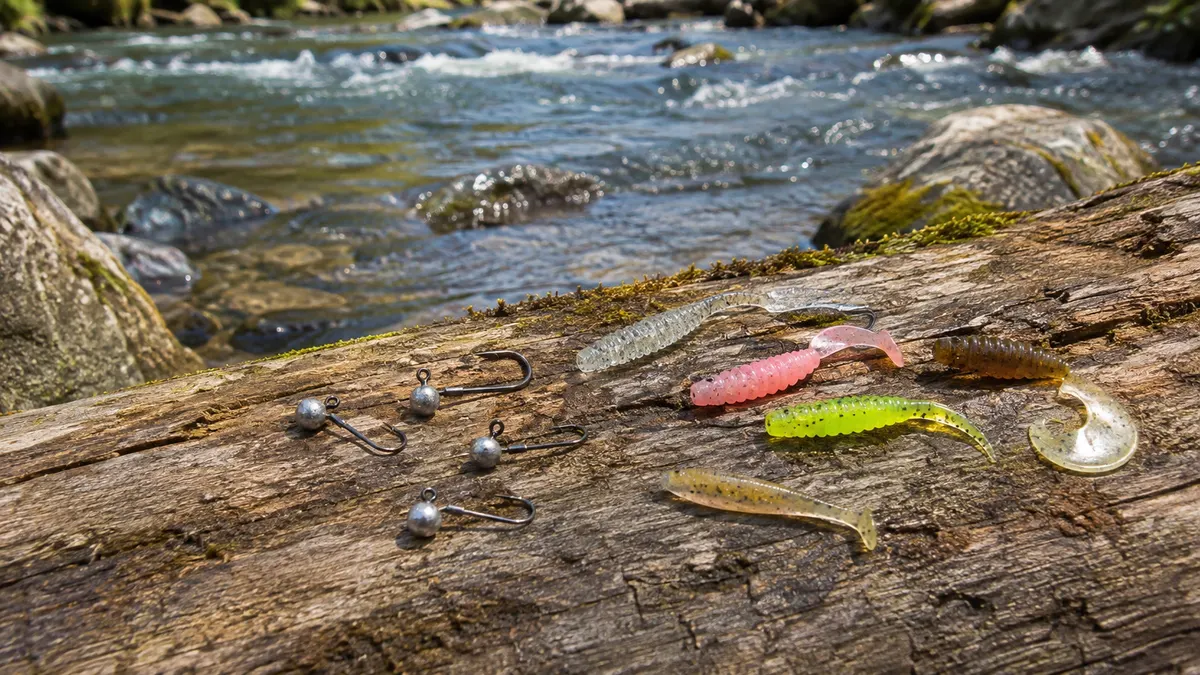
These three Trout Magnet options serve different needs: a neon assortment, replacement heads and a larger kit with floats. They are selected from published listings and have not been independently field tested.
Trout jig options to compare
| Product | Useful for | Check before buying |
|---|---|---|
| Trout Magnet neon jig kit | A neon jig and body assortment | Light tackle or float may be needed |
| Trout Magnet gold jig heads, 1/64 oz | Replacement jig heads | 1/64 oz heads; bodies sold separately |
| Trout Magnet original jig kit | A larger kit with floats | Confirm included pieces and colors |
Trout Magnet neon jig kit
Trout Magnet neon jig kit
A small jig and soft-body assortment for light presentations. Check the included colors and the rod rating needed for very light tackle.
Check PriceThe 82-piece neon kit lists 70 soft bodies and 12 jig heads. It offers a selection of body colors for small jig presentations.
The jig heads are very light. Use an appropriate rod or float, and check the hooks and local regulations.
Trout Magnet gold jig heads, 1/64 oz
Trout Magnet gold jig heads, 1/64 oz
A pack of small jig heads. Bodies and a suitable rod or float may be needed separately.
Check PriceThe gold 1/64-ounce listing describes 25 jig heads. Compare this pack if you already have compatible soft bodies and need replacement heads.
This is not a complete jig kit: confirm that you have suitable bodies and tackle. The small weight can be difficult to cast on a heavier rod.
Trout Magnet original jig kit
Trout Magnet original jig kit
An assortment listed with jig bodies, heads and floats. Confirm the exact contents and applicable hook rules.
Check PriceThe 142-piece original kit is listed with 120 grub bodies, 20 hooks and two floats. It is a comparison for someone who wants to try suspended jig fishing.
Check that the selected listing includes the stated floats and heads. Set a float depth appropriate to the water and follow hook and bait rules.
Comparing these trout jig options
The Trout Magnet neon kit combines jig heads with colorful soft bodies, giving a new angler several options for a small tackle box. The separate gold jig head pack suits someone who already has compatible bodies and wants replacement heads. The original kit adds floats to its assortment, which can be useful for trying a suspended presentation. Compare package contents carefully; none of these choices is evidence of an on-water performance test.
These products focus on small split-tail jigs rather than all possible designs. A marabou jig, a hair jig or a weighted nymph provides a different profile. Choose according to the depth and fish you expect, and check the hook and any scent restrictions before fishing.
What is a trout jig?
A jig typically combines a weighted head and hook with a body made of soft plastic, hair, feathers or another material. Its movement depends on the head weight, body, current and the angler’s retrieve. A tiny jig can be fished slowly through the water column, but it may be difficult to cast on heavy line or an oversized rod.
Trout Magnet-style split-tail bodies are one example of a soft-plastic jig. Marabou or hair jigs offer another profile and may move differently in the water. A minnow-shaped body can suggest small forage fish; a slender body may resemble an aquatic insect or worm. No profile guarantees a bite.
Choose a jig head and weight
The head weight affects sink rate and casting. A 1/64-ounce jig head is very light and often needs an ultralight setup or a suitable float to cast. A heavier head sinks faster and can reach deeper water, but it can snag more readily in a shallow stream. Compare the actual jig and any float or weight with the rod’s stated lure range.
Check the hook point and size before fishing. Some trout waters require a single barbless hook, restrict the number of hook points or prohibit scented bait. A jig with a single hook is not automatically legal in every water; read the regulation for the precise section. If using a soft plastic, check whether scent or added bait changes its legal classification.
Fish a jig under a float
In still water, suspend the jig beneath a float that supports its weight. Set the depth so the jig remains above weeds or bottom debris, cast carefully and watch the float. Allow the lure to settle, then try a gentle twitch or slow retrieve. Change depth in small steps if there is no response and move safely to another accessible spot when appropriate.
In a stream, a float can help track the jig as it drifts through a pool. Keep the line controlled without pulling the float unnaturally against the current. Use only enough weight to reach the desired depth. Do not cast across other anglers or allow the rig to drift into areas where you cannot retrieve it safely.
Fish a jig without a float
Cast a suitably weighted jig, let it sink briefly and retrieve slowly. Watch the line as it falls and use the rod tip for a small lift or twitch. If the lure catches bottom repeatedly, retrieve sooner or select a lighter head. In deeper water, allow more time to sink while keeping enough line control to notice a bite.
In moving water, cast across or slightly upstream where safe and allow the jig to drift through a current seam. Brown trout, brook trout and rainbow trout may use different cover depending on conditions. Adjust your position, depth and weight rather than assuming a single color works in every stream.
Colors and bodies
Keep a modest selection of light, dark and bright bodies. Bright colors can help the angler see the lure; a subdued profile is another option in clear water. Change the jig’s depth or speed before buying a large number of colors. Check each soft-plastic body for tears, seat it straight on the jig head and replace it when it no longer stays in place.
A marabou jig can pulse with water movement, while a split-tail body gives a different shape. These are presentation choices, not guarantees. Some waters prohibit scented products or restrict adding natural bait to an artificial lure. Consult the agency’s current rules before adding a worm or other bait.
Picking a jig for common trout water
For stocked trout in a pond, a small jig under a float lets an angler set a repeatable depth. On a shallow stream, a lighter jig head can drift without hitting the bottom as often. On a larger lake, a heavier head may help reach deeper water, but check the rod rating and retrieve before increasing weight. A white or olive soft plastic can suggest a minnow; compare a natural color with a brighter color option when the water is difficult to see through.
A hair jig or marabou jig has a soft profile that can move even with a slow retrieve. A jig with a plastic body can be changed when the tail tears or when you want a different shape. For smaller trout, check that the hook and body are not so large that the fish cannot take them comfortably. Larger trout in heavy current call for tackle appropriate to those conditions, not necessarily the smallest jig in a kit.
Common rigging problems
If the jig hangs vertically or spins, check that the body is straight on the hook and the knot is seated correctly. If the float drags under in current, use a float suited to the jig and adjust the amount of line on the water. If you add split shot to a rig, place it securely and follow the float maker’s guidance; too much weight can overwhelm a small float. Never add weight solely to meet a casting distance when it would overload the rod.
Jig fishing can overlap with a weighted fly or nymph presentation, but the rig and rules differ. A fly rod normally uses a weighted line, while a spinning rod casts the lure and any legal added weight. Check local definitions before combining flies, bait and a jig.
Choosing a trout lure for a specific fishery
When trout fishing in stocked lakes, begin near accessible shore and work a jig through a manageable depth. In rivers and streams, let the jig drift through a current seam before changing position. A small jig can catch trout and other fish, including crappie, but the trout you find may be at a different depth from the panfish. Use the agency’s current information to identify legal access and species-specific rules.
Trout anglers targeting rainbow trout and brown trout can start with the same small jig, then adjust its size and retrieve to the conditions. Wild trout waters may have barbless or artificial-only rules; stocked trout waters can have separate limits. A trout jig is one option among many, and the best trout lure on a particular day depends on where fish are holding and what methods are permitted.
Trout jig questions
Can a jig catch stocked trout?
Yes, a small jig is a reasonable option where legal. A float can keep the jig at a selected depth, and a slow retrieve helps cover a pond. A stocking schedule or report does not establish where the fish are holding today.
Can I use the same jig for trout and crappie?
Some small jigs are used for both, but match the hook and weight to the fish, rod and water. Check species-specific rules and avoid using a hook that does not comply with a special trout regulation.
Is a jig better than a spinner?
A jig can stay in a small area longer; a spinner usually helps cover water. Conditions and retrieve matter more than a universal ranking. See our spinner guide for an alternative.
How do I select a jig for trout in flowing water?
Choose a jig that can reach the target water without lodging in the bottom, then let it drift near the current seam. A slower retrieve gives the body time to move naturally. If the jig drops into snags, reduce weight or begin retrieving sooner; if it never reaches fishable depth, choose a slightly heavier head within the rod rating. In small streams, short casts give you better control than trying to cover the entire pool at once.
Will a trout jig work in a lake?
Yes. Small jigs can be fished beneath a float or retrieved through still water in lakes and ponds. Count the jig down to explore different depths, and keep enough tension to notice a bite as it falls. If you intend to release fish, choose a legal hook and land each fish promptly.
Check the official source for your state, public access and fishing regulations. If releasing a trout, use suitable tackle, wet your hands and keep the fish in the water when practical.
Sources & further reading
- Oregon Department of Fish and Wildlife: trout fishing basics ↗
- National Park Service: How to safely catch and release ↗
Product details and fishing rules can change. Check the current listing and local regulations. Suggest a correction.